WHAT'S NEW?
Loading...
Showing posts with label OnePlus. Show all posts

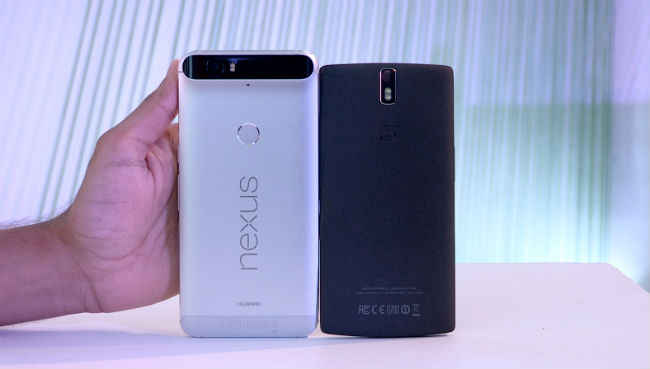
That's right. Today I purchased the Huawei Nexus 6P for just over $500. (If this price seems odd to you, you should probably read my "Your 'Free' Smartphone Isn't Free, and Why You Should Buy Unlocked" post.) This is going to be replacing my OnePlus One, and seeing how competitive that phone was in the "last generation" of flagship smartphones, I'm going to be comparing it to the Nexus 6P in terms of features and specifications. The OnePlus One should serve as an example for the last generation of smartphones compared to the best of today. You should also be expecting a full review of the Nexus 6P as early as next week.


First, the Nexus 6P has an amazing latest-gen Samsung Quad HD AMOLED display. If that's a lot of gibberish to you, let me explain. Samsung makes some of the best displays in the smartphone industry. Amazing colors, high DPI, the best technology. Quad HD (1440p) is 33%  higher resolution than the common 1080p found on the OnePlus One. OnePlus's 1080p display is also IPS LCD, which is generally considered worse than AMOLED. What makes AMOLED special is the fact that blacks are as pure as they can be. When a pixel is black on an AMOLED display, it is actually turned completely off. This makes for rich blacks and also saves battery.

The Nexus 6P's camera has been, surprisingly, heavily acclaimed by pretty much everyone. This is a huge change from the previous camera-related infamy of the Nexus brand. In fact, the camera is so good, it has climbed to the #3 ranked smartphone camera on dxomark.com. While it only has 12.3 megapixels, those pixels are considerably larger than most smartphone cameras.


The larger the pixels are, the more light is collected. This allows for better pictures all around. The 6P has been praised for its amazing low light performance, likely thanks to those large pixels. So while the 6P may not have the most megapixels, it sure takes some amazing pictures. It also has laser autofocus, which makes for quick and accurate focusing on objects. The OnePlus One, on the other hand, lacks this. It also has much worse low light performance.

The OnePlus One's build quality was praised for feeling good in the hand at a low price. Unfortunately, this just doesn't match up to the all metal build of the Nexus 6P. The OnePlus One had a new material called sandstone black, which had a unique texture to it. Problem was, it wore off fast and attracted lots of dirt. Not only that, but the "metal" edges around the One aren't even real metal. They're painted plastic. Talk about a let down. I've chipped mine from dropping it in one corner, revealing the very un-premium material underneath. The Nexus 6P has an all metal unibody, making it feel much more premium than anything else.
Source

Time to move on to things the 6P has that the One simply lacks. A fingerprint sensor, for one, is a major selling point to me. We unlock our phones dozens if not hundreds of times per day, I think it is a good investment to save that portion of your time from entering in passcodes. Not only does it have one, it's apparently ridiculously fast. (I'll confirm this when I test it.) The 6P also comes equipped with a USB-C port, which is considered to be the new standard in ports. It's also fast charging compatible, meaning you can get it from 0 to 100% in a flash.

Last but certainly not least, is the simple fact that this is a Nexus. You already know my disdain for OnePlus if you've read my first post, but if you don't want to read it, let me summarize it for you: It's just a bad company. They've been making terrible decisions since their inception. Nexus is a trusted brand owned by Google that delivers software updates as soon as they're available. OnePlus is a brand with infamous customer service and extremely slow and fragmented software updates. The choice here is simple. The Nexus 6P will be an amazing upgrade for me, and I can't wait to get my hands on it and review it here.

Unsourced images are from Google's official press event or the Nexus website.
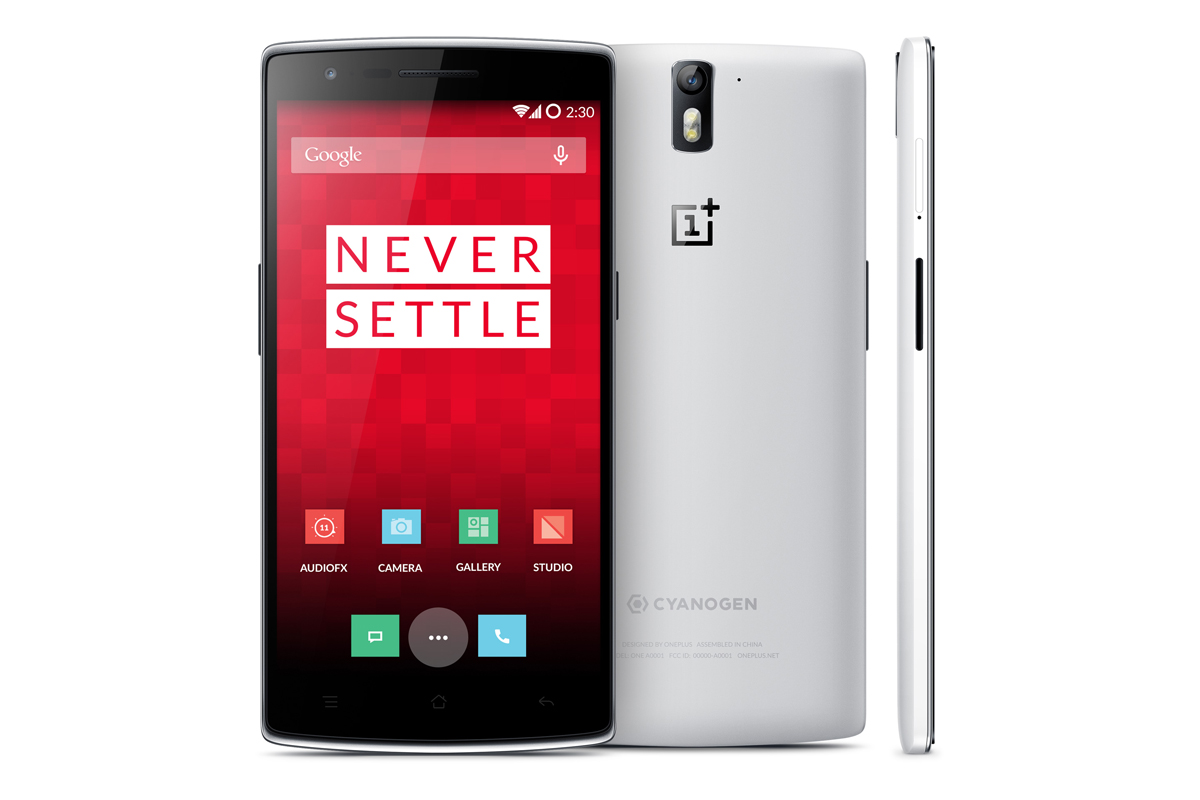
It's no secret by major Android news outlets that OnePlus isn't really approved of by a lot of users. If you're out of the loop, OnePlus is a Chinese OEM (Original equipment manufacturer) founded in late 2013 who promised to bring premium specced smartphones for a budget price. OnePlus first spiked controversy when it was discovered that one of the major shareholders of OnePlus was Oppo, an already established Chinese OEM. This was a problem considering OnePlus was boasting about being a new startup, ready to put a stop to the tyrannical reign of major smartphone companies.

Then, OnePlus announced the One, a gorgeous Android phone with premium specs for less than $400. It also shipped with CyanogenMod 11S, marking CyanogenMod’s entrance into the “legitimate” world of smartphone OS’s. This was a big deal, when you consider at the time the only other major budget smartphones were Google’s Nexus line. Everything looked up for OnePlus, but not for long. 
Problem after problem happened after that. The One was delayed for months, finally being sold, but only if you have an invite. How did you get an invite? Through contests. First began a “Smash the Past” campaign, where people would smash their previous smartphones for a chance to get a $1 One. This was criticized for its wastefulness of perfectly good smartphones which could have instead been donated. Another contest, “Ladies First,” had women users on their forums posting pictures with the OnePlus logo. The few who got the most “likes” won the opportunity to buy the One.

Not long after invites became more available to customers, drama with their software producer Cyanogen came into play. Cyanogen partnered with another smartphone company in India and promised Indians exclusive CyanogenMod use, meaning the One could not be sold there anymore. Long story short, OnePlus won the battle, but their relationship with Cyanogen was forever tarnished. This caused OnePlus to build its own OS, OxygenOS. Like OnePlus itself, on the surface it looked great. Most of the team behind the popular Android ROM Paranoid Android came to create OxygenOS. It sounded promising, but as with what seems like everything OnePlus does, it began to fail. Updates did not come, and when they did, they were minimal. What happened, OnePlus?

 I won’t even get into the failure to launch the promised Styleswap covers, screen issues, lost devices, incredibly slow return time, failure to launch the OnePlus 2 on time, and laughable customer service. All I have to say is, OnePlus is probably one of the worst OEMs I’ve ever come across. The only problem is, they make good phones for cheap. If you can get your hands on an invite, it will be hard to not use it. Even if that means supporting this terrible company.