Virtual reality has been in the news for the past few years for its major advancements, but we aren't even on the brink yet. Google, Microsoft, HTC, Valve, Oculus, and more are all into the VR game. This amount of competition hasn't been as strong for any individual field in years.
Oculus made major headlines with the Oculus Rift, marketed as the first major VR headset for the masses. Facebook has since taken over Oculus, which caused quite a lot of backlash. While it still isn't completely ready for everyone to use, everyone is certainly impressed by it. Following suit comes everyone else. Google Glass was a big thing for about a year before it regressed back into the experimental labs of Google, but while it was popular everyone was imagining what could be possible with VR in the near future.
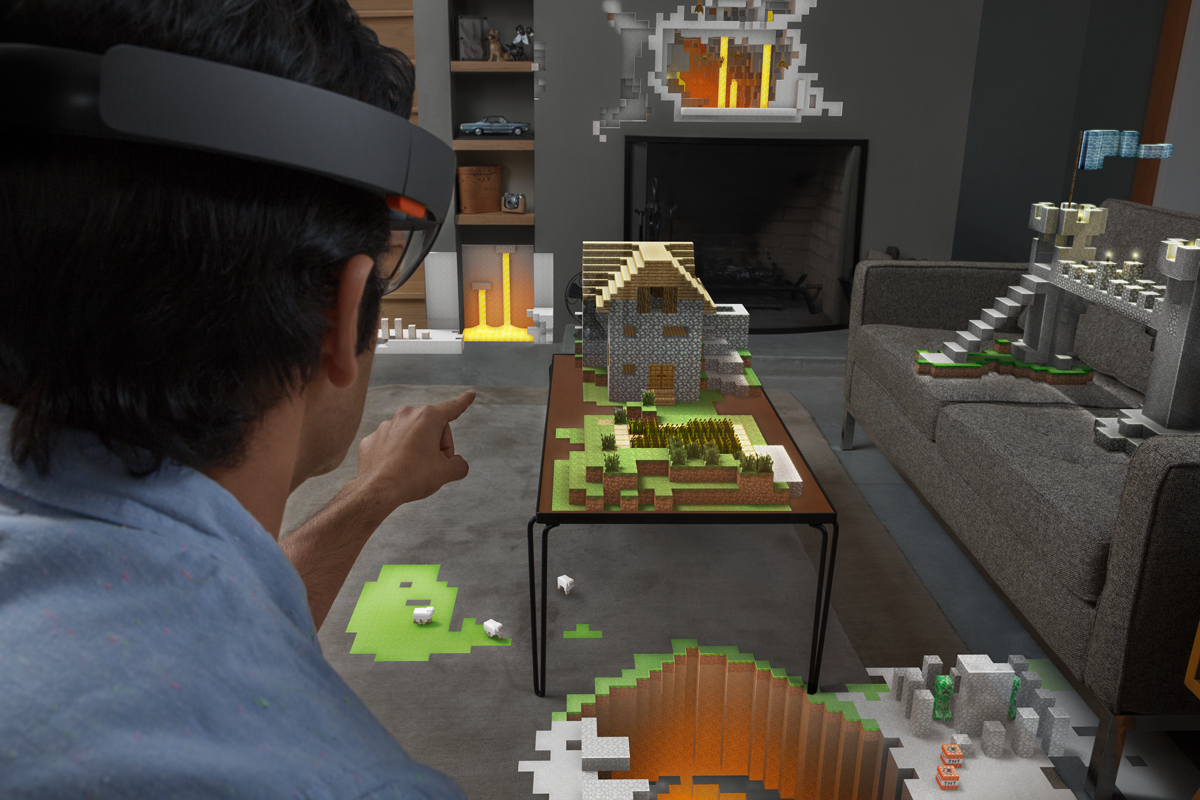
Microsoft's HoloLens made one of the coolest tech demos in history last year by providing a VR headset that merges VR and reality. This isn't simply viewing a fake world through a screen, this creates objects on top of the real world and allows you to interact with them. Imagine a fake Minecraft world on your coffee table. That's what HoloLens is aiming to do.
Google isn't done with VR simply because they're taking a break from Glass. This month they officially announced their virtual reality division, meaning they have a team of VR experts working on it all the time now. Google's Cardboard is probably one of the more interesting VR concepts. It isn't anything fancy, but that's the point. If you're looking for a good VR experience without shelling out hundreds of dollars, Cardboard has you covered. I got a free Google Cardboard simply by following Google's Twitter. You place your phone in the headset and install Cardboard-compatible apps. They aren't fancy, but they give you a feel for VR if you've never done it before. As my dad said, "I've never seen anything like this before. Wow."
HTC Vive is another attempt at VR, focusing on gaming. Vive allows you to walk around the room and explore your surroundings while warning you of any nearby obstacles. Vive partnered with Valve, a major game creator, in order to ensure their focus on gamers.
Lastly, there's the mysterious Magic Leap. Google invested just under a billion dollars in the startup last year, and since then there hasn't been much talk. The company is very secretive, not even releasing a look at their product. The most we have are renders of what the view behind it might look like, and one small tech demo.
With so much competition from various companies, from Facebook to HTC, VR is going to explode in the next decade. I can't even imagine all the things possible with it.